Pickup trucks have become an interesting anomaly in the automotive world. These vehicles, with a cab for people and a bed for hauling or towing, were originally built for manual labor. No frills, no fun. Just the ability to start on a cold morning and work all day on the farm or construction site without issue.
Today though, things are radically different. Sure, trucks these days still promise to fulfill everything expected of them, but they are now much more civilized and comfortable, offering many luxuries found on more expensive cars.
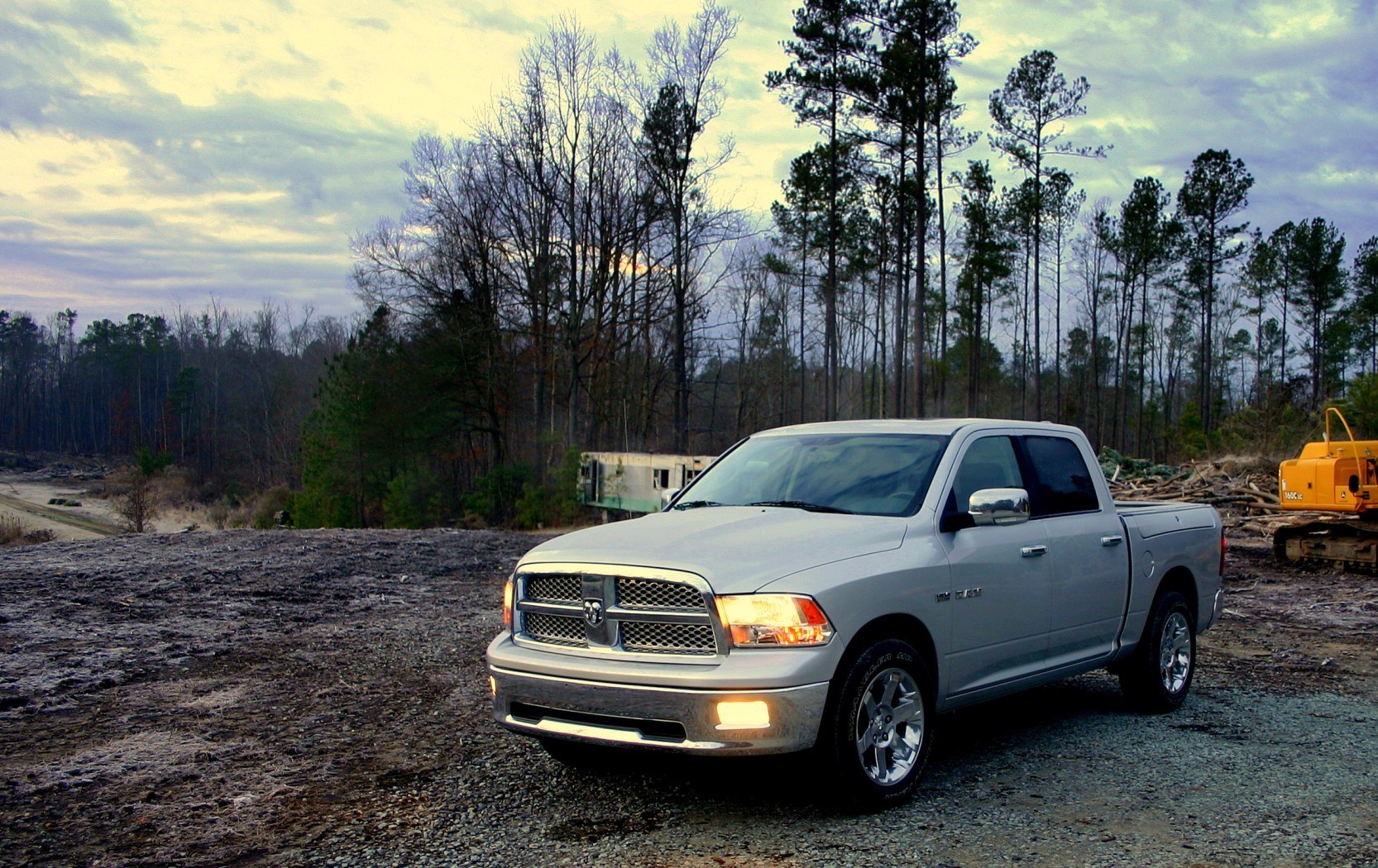
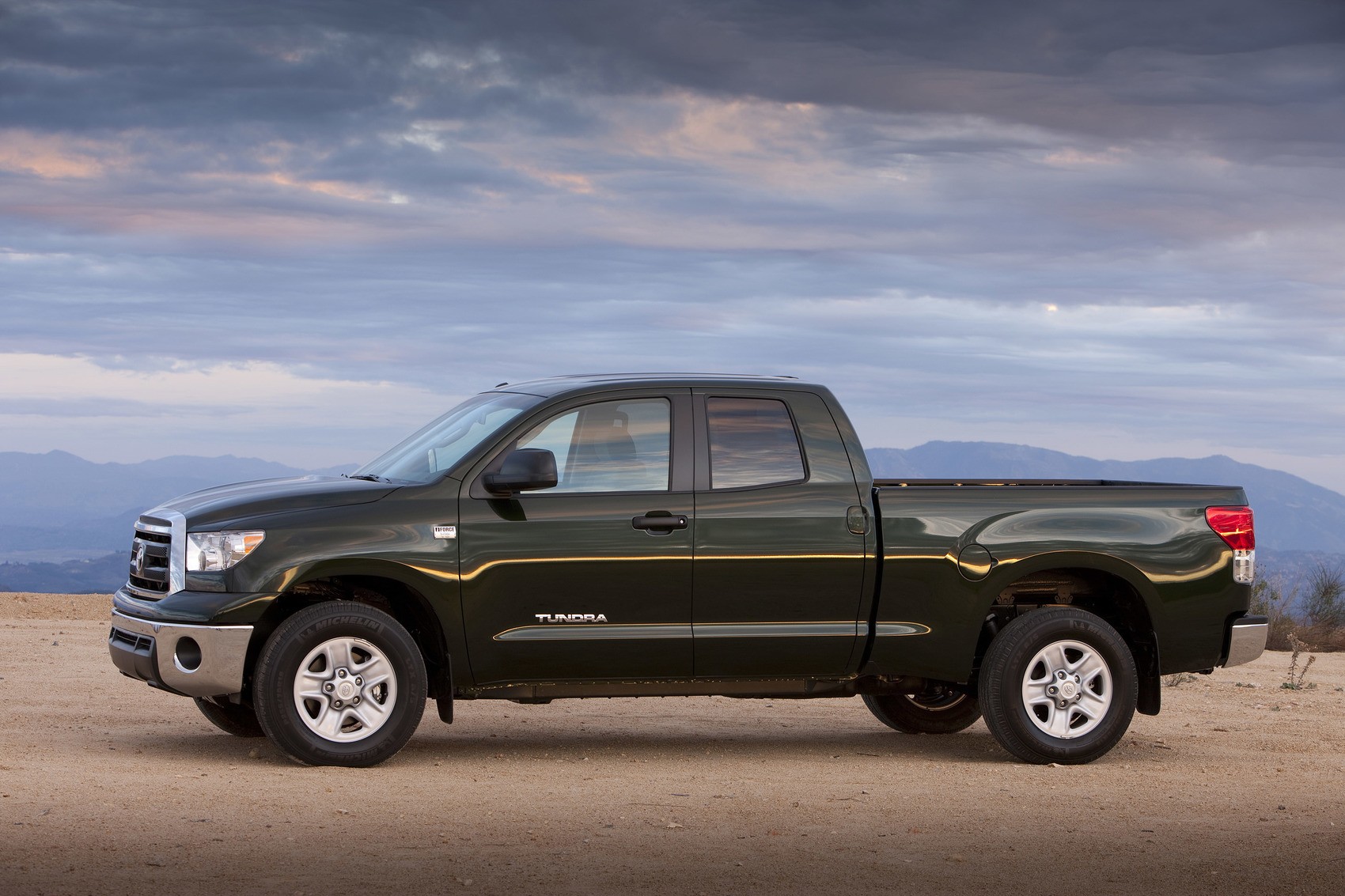
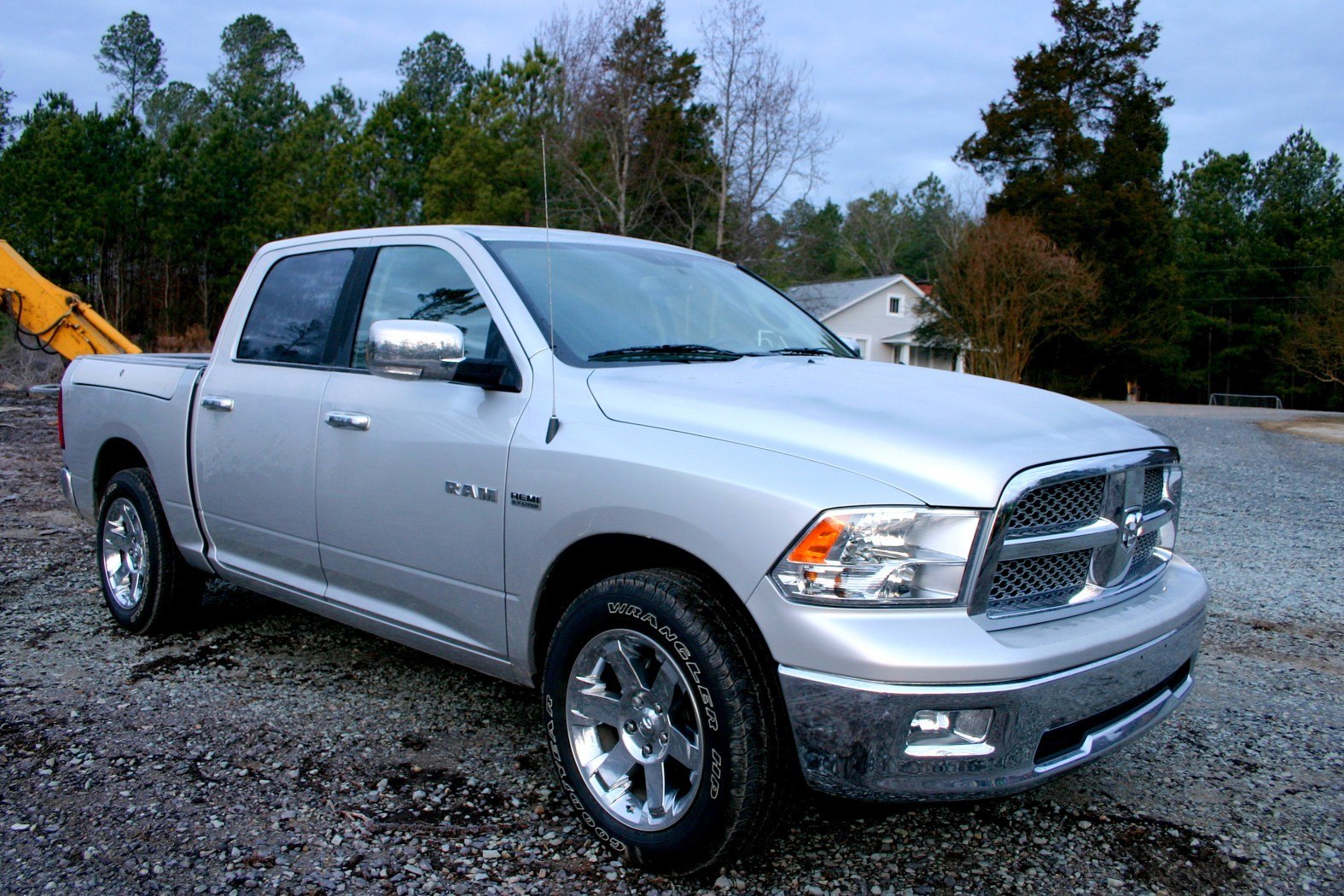
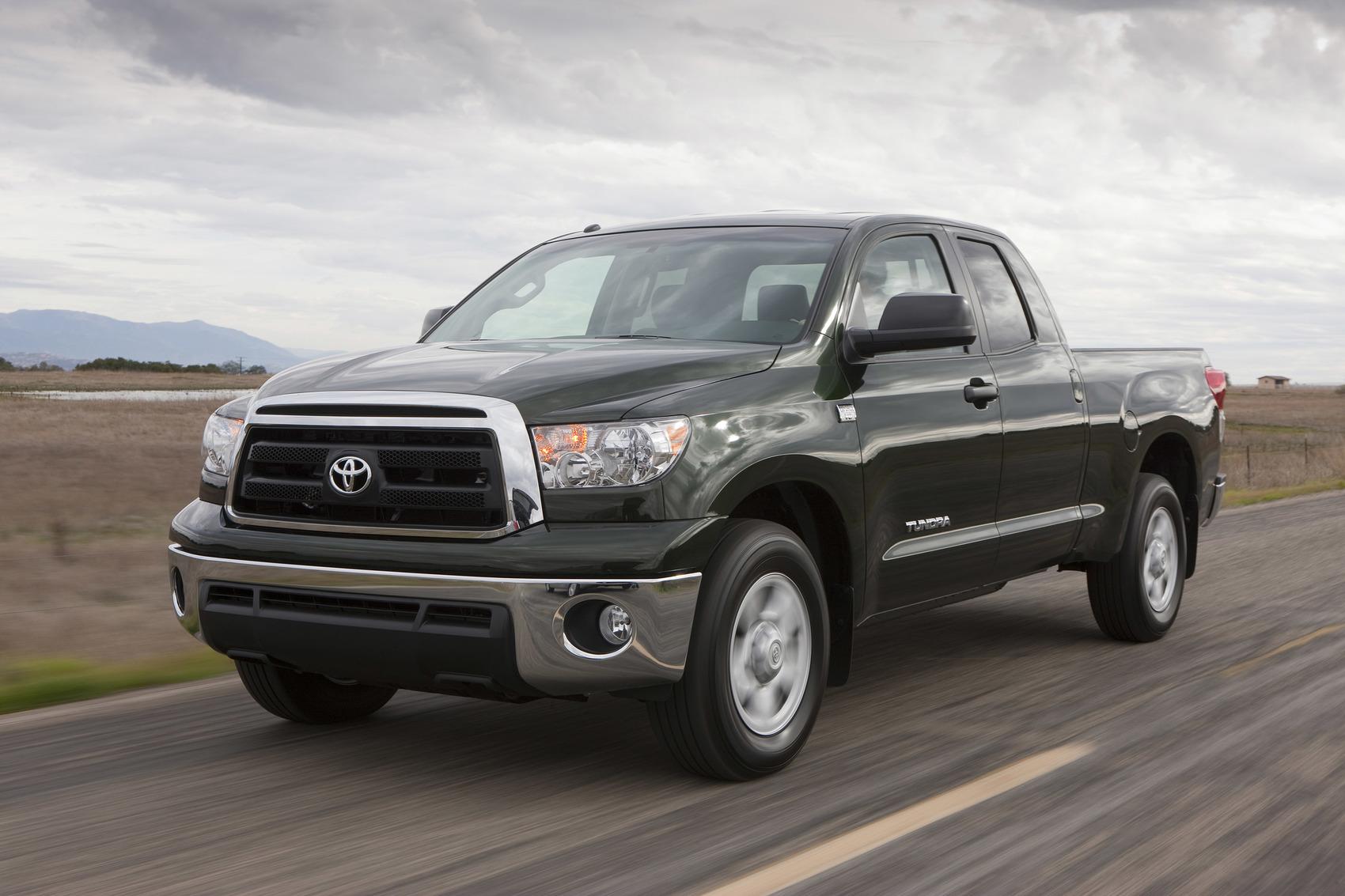
But do the fundamentals still work? Are these two behemoths, the 2009 Dodge Ram 1500 SLT and 2010 Toyota Tundra Double Cab, capable of working hard all day; then taking the family out to dinner in the evening in comfort? I spent some time finding out.
Both Trucks At A Glance
The Toyota and Dodge have a multitude of things going for them right out of the box. Each truck can be had in a nauseating array of sizes and powertrains, and be built stripped to the bone or swathed in opulence, with various engine sizes, transmissions, gear ratios, and combustion options (in regard to the Ram). Underneath the skin, both trucks have a fully-boxed frame and feel capable both on and off the road.
For this test though, both the Ram and Tundra have a gasoline-fed V8, four-wheel drive, and the mid-level cabin with four-door extended cabs. Both are within a hair’s width of each other from bumper-to-bumper at 229 inches, as well as width and height. Each truck comes standard with power controls, air conditioning, cruise control, two rows of bench seating, a tow hitch, and a bed liner.
And that is where the similarities end as both trucks have a completely different feel behind the wheel.
Interior Design
In the Dodge, engineers didn’t stray from the old ways: upright seating, big windows, and simple dashboard ergonomics. The outside world is very visible in the Ram, which makes moving this big truck easier than expected. The dash is laid out in a simple, utilitarian way. Big rotary knobs, large-faced gauges, and multiple storage places are found within and are very user-friendly. However, outside of the gauges, it is the typical Dodge dash, covered in awfully hard plastics that feel far too unsubstantial. Cost-cutting continues when you look in places behind the rear seatbacks, where the edge of the trim and sound-deadening material is visible.
The Toyota is a complete 180, with a more car-like feeling. There’s less window in the Tundra and the dash and door sills sit higher on the beltline. The interior of the Tundra wraps around the occupants nicely. The seats are more welcoming than the Ram’s, and with a more design-oriented dashboard, it feels more like a Camry than a pickup. Unfortunately, the Tundra follows the Ram in poor dash materials and is ever worse in regard to radio and HVAC controls, which are positioned too far away from the driver. Additionally, outward visibility has been compromised via the higher door sills.
In regard to room, both trucks match each other with a slightly tight second row. Both rear benches can be folded up and out of the way for dry storage, and there are plenty of cupholders in both. In the Tundra, the rear seats have a touch more legroom, as well as more comfortably-raked seatbacks.
Ride Comfort & Hauling
With its independent front and coil-spring rear suspension (no leaf springs found here), the Dodge glides over the pavement with appreciative comfort. It only gets better once you open the taps on the optional 390 horsepower 5.7-liter Hemi V8 and rip through the five-speed automatic. I’ve never felt anything this large move so rapidly outside of a commercial airliner. Thanks to all that power, the Ram can carry up to 1,900 lbs. in the bed and tow up to 10,450 lbs. when properly equipped.
The Tundra, on the other hand, feels exactly like any pickup driver would expect. It does have a mostly smooth ride, but the rear end pops up far too easily while the front bobs and weaves like a drunk football player. I found out firsthand, however, loading several hundred pounds of fertilizer will help keep the Tundra connected to the road. Luckily, with Toyota’s mid-range 4.6-liter DOHC V8 pumping out 310 horses, the Tundra never felt under-powered. It’s capable of carrying more weight in the bed (up to 1,595 lbs.), but not quite as much in regard to towing (up to 8,600 lbs. as equipped).
Braking & Steering
Braking is adequate for both trucks since both come with four-wheel disc brakes and ABS. However, I noticed the Tundra feels much heavier under distress braking. While the Toyota does stop well, the Dodge pulls up shorter. The Toyota suffers in tight spots as well, as it feels very cumbersome in the local Kroger parking lot. The Dodge, on the other hand, feels surprisingly agile, even with a turning circle of 45 feet.
The steering department is where the Toyota makes up some ground. Steering feel is meatier, with an acceptable amount of weight increase as the steering angle progresses. The Tundra feels lower to the ground as well, giving the truck a more solid contact feel with the road. Maneuvering the Dodge is easy, as the lighter steering helps swing the truck around, but it is way too lifeless to really be anything other than an object to move the front wheel.
Heading Off-Road
Going off-road showed that even though both are a bit unwieldy because of their length, the Dodge felt much more agile than the Toyota. The lighter steering felt quicker in tight passes, and the more flexible rear suspension helped the big truck pivot its wheels much easier, making sure the Goodyear Wranglers were never off the ground. Those looking for more can opt for the optional TRX4 off-road package, which includes underbody skid plates, a 3.92 gear ratio, and a limited-slip differential.
As far as my drive with this Ram, it effortlessly climbed, crawled, and forded anything I threw at it.
The Tundra, while just as capable, felt far larger and heavier than the Ram. Going up and over heaves in the ground or over rocks portrayed very top-heavy mannerisms. Comparing that to the Dodge, it made me feel very uneasy at times. It does come with a limited-slip rear end, similar axle gearing, and skid plates, so it can take a beating without worry. However, I felt more confident in the Ram when going off-road. During a snowstorm, if you live in the Midwest, the Ram is better choice in terms of 4×4 performance.
Conclusion
In the end, there is a clean winner here. Old Faithful beats out the new guy in almost every category. More towing, more agile, and more enjoyable when off-roading makes this an easy choice. But don’t fault the Toyota. They have made a good truck which is just as capable as the Ram in some areas. The Tundra simply tries too hard to be both a truck and a car, and cannot pull it off.
Dodge did not mess with a proven formula for their 2009 Ram and came out the victor.